There's a Korean word that has no direct English translation: 'jeong' (정). It's deeper than affection, more patient than love, and more intentional than hospitality. It's the thread that binds Korean families across generations, strangers into neighbors, and travelers into guests who feel like they've come home.I didn't understand jeong until I spent three nights in a hanok guesthouse in Gyeongju. And when I finally did, it changed how I saw Korea entirely.
Quick View: 3-Line Highlights
🏡 'Jeong' (정) is Korea's cultural heartbeat: a sense of emotional connection, care, and warmth that grows slowly through shared time and space.
🍵 Hanok stays in Gyeongju (경주) offer the most authentic way to experience jeong — through tea with your host, traditional breakfasts, and living inside Korean architectural philosophy.
💡 This isn't a hotel stay. It's cultural immersion that will shift how you understand Korea, hospitality, and the quiet power of slowing down.
What Is 'Jeong' (정)? And Why You Can't Google It
When I tried to explain jeong to my Australian friends, the closest I could get was: "It's like when someone keeps feeding you long after you're full, not because they're pushy, but because they've decided you're theirs to care for now."
That still doesn't capture it.
Jeong isn't transactional. It's not the politeness of a hotel clerk or the cheerfulness of a tour guide. It's the accumulation of small, repeated gestures that signal: "You belong here. I see you. You matter."

In Australia, I lived in share houses where roommates were friendly but kept clear boundaries. Personal space was sacred. Meals were individual. Kindness was often expressed through not imposing.
Korea turned that upside down. Here, jeong is expressed precisely by imposing — offering you another blanket before you ask, refilling your tea before it's empty, insisting you take leftovers home even when you protest.
Why Gyeongju Hanok Stays Are the Gateway to Understanding Jeong
You could stay in a Seoul hanok and get a taste of traditional architecture. But Gyeongju? Gyeongju gives you something rarer: time.
The city moves slower than Seoul. There are fewer tourists demanding English menus and Instagram backdrops. The hanok hosts here aren't running hospitality businesses — they're preserving family homes that have stood for generations. And that difference is everything.
The Architecture of Connection
Hanoks are designed around the principle of 'bae-san-im-su' (배산임수) — mountains behind, water in front. But beyond feng shui, the layout itself encourages jeong.
There are no hallways. Rooms open onto shared courtyards. You can't walk to your room without crossing a space where your host might be tending plants, or where another guest is reading in the morning sun. Privacy exists, but isolation doesn't.

In Sydney, my AirBnB hosts texted me the door code and I never saw them. In Gyeongju, my hanok host greeted me at the gate, made me barley tea, explained the ondol floor heating, and asked where I'd traveled from — not as small talk, but as the beginning of a relationship.
Joshua's Real Story: When Hospitality Became Something Else
On my second night at a hanok near Gyochon Village, it started raining. Not the soft drizzle that makes travel photos look moody, but the kind of downpour that floods streets and cancels plans.
I was planning to walk to Bulguksa Temple the next morning. The host, Mrs. Kim (김 여사), overheard me checking the weather on my phone.
The next morning, she woke up an hour early. When I came out for breakfast, she'd called her nephew, who drove me to Bulguksa, waited while I explored, and drove me back. No charge. No expectation. When I tried to offer money, Mrs. Kim waved it away like I'd insulted her.
"You're staying in my house," she said through a translation app. "That makes you my guest. And guests don't pay family."
That's jeong.

Where Cultural Immersion Happens: Best Hanok Stays for Experiencing Jeong
Not all hanok stays are created equal. Some are gorgeous but feel like boutique hotels. Others are deeply personal, family-run spaces where jeong is part of the daily rhythm.
Here are the stays where I felt it most.
Budget-Friendly: Dongparang Hanok Stay (동파랑한옥스테이)
📍 Dongparang Hanok Stay (동파랑한옥스테이)
Location: Gyochon-dong, Gyeongju (walking distance to Daereungwon)
Price: USD $50 (KRW ₩67,500) per night
Why it matters: Run by a retired teacher and her husband. They offer evening storytelling sessions (in Korean, but with translation app support) about Gyeongju's history.
Jeong Moment: Hosts leave handwritten notes in English recommending hidden spots tourists miss.
Best for: Solo travelers and couples who want authentic connection without luxury pricing.
Mid-Range: Yosokkoong (요석궁)
📍 Yosokkoong (요석궁)
Location: Near Gyeongju National Museum
Price: USD $120 (KRW ₩162,000) per night
Why it matters: A 200-year-old hanok with original wooden beams. The host family has lived here for four generations. Traditional tea ceremony included.
Jeong Moment: The grandmother teaches guests how to fold Korean dumplings (만두) on Sunday afternoons.
Best for: Families and travelers seeking hands-on cultural experiences.

Luxury: Rakkojae Gyeongju (락고재 경주)
📍 Rakkojae Gyeongju (락고재 경주)
Location: Near Woljeonggyo Bridge
Price: USD $220–300 (KRW ₩297,000–405,000) per night
Why it matters: Museum-quality hanok with antique furniture and private courtyards. Staff offer personalized cultural programs: hanji (한지) paper-making, traditional liquor tasting, temple stay arrangements.
Jeong Moment: The staff remembers your tea preference from breakfast and prepares it unprompted each morning.
Best for: Honeymooners and travelers seeking high-end cultural immersion.
What Makes a Hanok Stay Different from a Hotel? The Jeong Factor
1. Shared Meals Build Shared Stories
Hanok breakfasts aren't buffets. They're carefully prepared spreads of 5–10 small dishes laid out on low tables. You eat slowly, often alongside other guests and the host family.
In Sydney, breakfast was fuel. In Gyeongju, breakfast was a ritual. The host explained each dish: where the vegetables came from, how the kimchi was fermented, why soybean paste soup (된장찌개) is eaten in the morning.
2. Time Slows Down (And That's the Point)
There's no room service bell. No 24-hour concierge. If you need something, you walk to the courtyard and ask. And in that walk, you might encounter the host watering plants, another guest sketching the roofline, or a cat napping in the sun.
These micro-interactions accumulate into something bigger: the sense that you're part of a household, not a transaction.
3. Architecture Teaches You to Listen
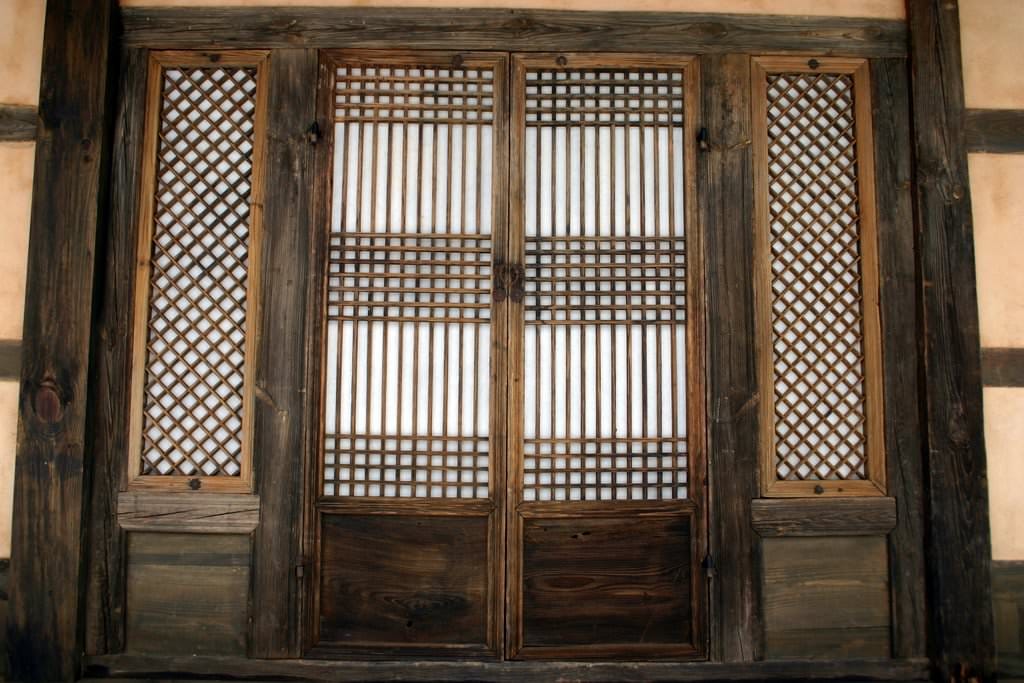
Hanok windows are made of hanji (한지) — traditional Korean mulberry paper. They diffuse light beautifully, but they also diffuse sound. You hear footsteps. Conversations. The rustle of fabric.
At first, this felt intrusive. Then I realized: it's a feature, not a bug. The architecture requires you to be considerate. To move quietly. To be aware of others. That awareness is the beginning of jeong.
Comparison Table: Hanok Stay vs. Western Hospitality Models
How to Be a Good Guest in a Jeong-Centered Space
1. Accept Second Helpings
When your host offers more food, saying "no" once is polite. Saying "no" three times can feel like rejection. Accept graciously, even if you're full. This is how jeong is offered.
2. Ask Questions (Even Simple Ones)
"How long has your family lived here?" "What's your favorite season in Gyeongju?" These aren't small talk — they're invitations into someone's story. Koreans value depth over breadth in conversation.
3. Offer to Help (But Don't Insist)
Offering to wash dishes or fold laundry will often be refused. But the gesture matters. It signals that you understand the relationship isn't one-sided.
4. Leave Slowly
When checking out, don't rush. Sit for one last cup of tea. Let the goodbye be gradual. Jeong doesn't end abruptly.
Joshua's Recommended Jeong-Centered Itinerary (3 Days in Gyeongju)
Day 1: Arrival & Grounding
- Check into hanok by 3 PM. Spend the afternoon in the courtyard adjusting to the pace.
- Evening walk to Gyochon Hanok Village (교촌한옥마을) — 10 min from most hanoks.
- Return for dinner (if host offers) or try ssambap (쌈밥) at a nearby restaurant.
Day 2: Heritage Sites & Host Connection
- Traditional breakfast at hanok (8 AM).
- Visit Bulguksa Temple (불국사) and Seokguram Grotto (석굴암) — half-day trip.
- Return by 3 PM. Ask host for tea. This is when deeper conversations happen.
- Evening: Join host for hanji craft or simply sit in the courtyard observing daily life.
Day 3: Slow Goodbyes
- Morning walk to Cheomseongdae Observatory (첨성대) — 15 min.
- Final breakfast. Express gratitude. Ask for recommendations for your next destination.
- Check out slowly. Exchange contact information if it feels natural.

What Jeong Taught Me About Travel (And Life)
I used to measure trips by how many sights I saw. How many boxes I checked. Gyeongju's hanok stay taught me to measure differently.
Did I feel seen? Did I slow down enough to see others? Did I allow myself to be cared for, even when it felt uncomfortable?
Jeong doesn't fit into a 5-star review system. It can't be Instagrammed. It happens in the margins: the extra blanket left by your door, the host who remembers you don't like spicy food, the goodbye that lingers because neither of you wants it to end.
This is why a hanok stay in Gyeongju changes your Korea trip. Not because the architecture is beautiful (though it is). Not because the UNESCO sites are nearby (though they are). But because jeong is the cultural lesson Korea has been trying to teach the world — and hanok stays are the classroom.
Planning Your Jeong-Centered Hanok Stay in Gyeongju?
Ready to experience Korean hospitality at its deepest?
Explore family-run hanok guesthouses and traditional stays where jeong (정) culture comes alive through shared meals, tea ceremonies, and genuine human connection.
View All Gyeongju Hanok Stays on Agoda*Find hanok stays from USD $50 (KRW ₩67,500) per night in Gyeongju's heritage villages.
Traveler's FAQ
Q1: Will language barriers prevent me from experiencing jeong?
Not at all. Jeong is expressed through actions more than words. Translation apps help with logistics, but the tea offered without being asked, the extra side dish, the genuine smile — these transcend language.
Q2: Is a hanok stay suitable for introverts?
Yes. Jeong doesn't require constant socializing. Many hosts sense when guests need quiet and respect that space. The connection builds naturally over shared breakfasts and courtyard encounters.
Q3: How do I thank my host appropriately?
A small gift from your home country is appreciated (but not expected). A handwritten thank-you note (in English is fine) left on your final morning carries real weight. Some guests send postcards months later — that continuation of connection is very Korean.
Author Bio
Joshua is a Seoul-based writer who spent 15 years in Sydney, Australia. He writes about Korean culture, heritage, and travel through a cross-cultural lens shaped by life between East and West. His work explores how concepts like jeong (정) challenge Western assumptions about hospitality, privacy, and human connection.
Legal Disclosure & Transparency
Image Attribution:
Images used in this article are sourced from copyright-free platforms (Unsplash, Wikimedia Commons, Pexels) under Creative Commons licenses or are official tourism materials. All rights belong to their respective creators. If you are a rights holder and wish to have an image removed, please contact Joshua at mieluartkor@gmail.com for prompt removal.
Affiliate Disclosure:
This article contains affiliate links to Agoda. If you book accommodation through these links, KR Snap may earn a small commission at no additional cost to you. This helps support independent travel writing. All recommendations are based on genuine research and personal experience.
Related Guides
Explore more about Korean culture and heritage:
- K-Culture – Deep dives into Korean cultural concepts and etiquette
- Hot Spots – Discover hidden travel destinations beyond Seoul
- Travel Tips – Transportation, apps, and practical survival guides
- K-Food – Korean cuisine and regional specialties
- Stay – More accommodation guides across Korea


Comments
Post a Comment
"Welcome to KR Snap! Feel free to ask any questions about South Korea or share your thoughts."