
When I first arrived in Seoul after 15 years in Sydney, I thought I understood what "four seasons" meant. Australia has seasons, sure—but they're subtle, gradual, almost apologetic. Sydney's winter rarely dips below 10°C, and summer is dry and breezy with endless blue skies.
Korea's seasons? They don't apologize. They announce themselves boldly. Spring arrives with an explosion of pink cherry blossoms that last barely two weeks. Summer hits like a humid wall, complete with monsoon rains that flood subway stations. Autumn paints the mountains in crimson and gold, then vanishes overnight. And winter? Winter brings bone-chilling cold that Sydneysiders couldn't fathom—temperatures plunging to -15°C (-5°F), with snow blanketing palace rooftops.
Choosing when to visit Korea isn't just about checking average temperatures. It's about understanding what each season offers—and what it demands. This guide will walk you through Korea's climate, seasonal highlights, packing essentials, and regional recommendations so you can plan the perfect trip.
Quick View: 3-Line Highlights
✦ Best Overall Time: April–May (spring) and September–November (autumn) for mild weather and stunning natural beauty.
✦ Budget-Friendly Seasons: Winter (December–February) and summer (June–August) offer lower hotel prices but extreme weather.
✦ Peak Tourist Season: Cherry blossom weeks (late March–early April) and fall foliage weeks (mid-October–early November) see the highest crowds and prices.
Understanding Korea's Four Distinct Seasons
South Korea sits in a temperate climate zone with sharp seasonal contrasts. Unlike tropical destinations where weather remains relatively stable year-round, Korea experiences dramatic shifts every three months.
Here's what I realized during my first year back: Korea's seasons feel more intense because the transitions are so rapid. In Sydney, autumn might linger for four months with gentle cooling. In Seoul, autumn lasts about six weeks—gorgeous, fleeting, and gone before you've fully adjusted.
Let's break down each season in detail.
🌸 Spring in Korea (March – May): Cherry Blossoms & Yellow Dust

Weather Overview
Average Temperature: 10°C – 20°C (50°F – 68°F)
Rainfall: Low to moderate
Humidity: Comfortable (40–60%)
Sunshine: Increasing from March to May
Spring in Korea is a season of renewal and anticipation. After months of freezing temperatures, Koreans emerge from their winter layers to celebrate the arrival of 벚꽃 (beotkkot, cherry blossoms). The blossoms typically begin in late March on southern Jeju Island and sweep northward, reaching Seoul by early April.
But spring isn't just about cherry blossoms. It's also the season of 황사 (hwangsa, yellow dust)—fine particulate matter blown from China's Gobi Desert that can create hazy skies and trigger respiratory irritation. Air quality apps become essential during this time.
Best Places to Visit in Spring
1. Jinhae Gunhangje Festival (진해 군항제) – Cherry Blossom Heaven
Located in Jinhae, a coastal city near Busan, this is Korea's largest cherry blossom festival. Over 360,000 cherry trees blanket the city, creating tunnels of pink petals along Yeojwacheon Stream and Romance Bridge.
📍 Jinhae Gunhangje Festival (진해 군항제)
Location: Jinhae-gu, Changwon-si, Gyeongsangnam-do
Festival Dates: Late March to early April (exact dates vary yearly)
Entry Fee: Free
Best Time to Visit: Early morning (7:00–8:00 AM) for fewer crowds
📍 View on Google MapsWhere to Stay:
2. Yeouido Cherry Blossom Festival (여의도 벚꽃축제) – Seoul's Urban Spring
For travelers staying in Seoul, Yeouido offers a convenient cherry blossom experience along the Han River. The 1.7 km tree-lined path becomes a sea of pink petals, attracting locals and tourists for picnics, food stalls, and evening illuminations.
📍 Yeouido Cherry Blossom Festival (여의도 벚꽃축제)
Location: Yeouido Park, Yeongdeungpo-gu, Seoul
Festival Dates: Early to mid-April
Entry Fee: Free
Nearest Subway: Yeouinaru Station (Line 5), Exit 1
📍 View on Google Maps3. Jeju Island (제주도) – First Blooms & Mild Weather
Jeju Island's cherry blossoms bloom first, usually around late March. The island's mild spring climate (15°C–18°C / 59°F–64°F) makes it ideal for outdoor activities like hiking Hallasan Mountain, visiting tea plantations, and exploring lava tube caves.
What to Pack for Spring
- Light layers: Mornings can be cool (10°C), but afternoons warm up to 20°C.
- Face mask: Essential for yellow dust days. Check air quality via apps like "미세미세 (Misemise)" or "Air Visual."
- Allergy medication: If you're sensitive to pollen or dust.
- Comfortable walking shoes: Cherry blossom spots involve a lot of walking.
- Compact umbrella: Spring showers are brief but frequent.
Joshua's Real Story: The Two-Week Cherry Blossom Window
My first spring in Seoul, I underestimated how fleeting cherry blossoms are. I'd seen jacarandas in Sydney bloom for weeks, even months. So when my Australian friends asked, "When should we visit for cherry blossoms?" I casually said, "Anytime in April."
They arrived on April 15th. The blossoms had already fallen. Petals littered the ground like snow, and the trees were green again.
I learned the hard way: Korea's cherry blossoms peak for just 7–10 days. If you're planning a spring trip specifically for blossoms, track the Korea Meteorological Administration's official forecast and book your flights accordingly. Aim for the first week of April in Seoul, late March in Busan and Jinhae.
☀️ Summer in Korea (June – August): Beaches, Monsoons & Humidity

Weather Overview
Average Temperature: 25°C – 35°C (77°F – 95°F)
Rainfall: Very high during monsoon season (late June – late July)
Humidity: Oppressive (70–90%)
Sunshine: Strong UV index
Summer in Korea is not for the faint of heart. From late June to late July, the country experiences 장마 (jangma, monsoon season)—weeks of relentless rain that can cause flooding, landslides, and transportation delays. After the monsoon ends, a different challenge begins: extreme heat and humidity that makes stepping outside feel like entering a steam room.
In Sydney, summer meant beach days with a cool ocean breeze. In Seoul, summer meant seeking refuge in air-conditioned cafes and subway stations.
Best Places to Visit in Summer
1. Busan Haeundae Beach (해운대 해수욕장) – Korea's Premier Beach
Haeundae is South Korea's most famous beach, attracting millions of visitors each summer. The 1.5 km stretch of white sand becomes a sea of colorful umbrellas, beach tents, and food vendors selling grilled seafood and cold naengmyeon (icy noodles).
📍 Haeundae Beach (해운대 해수욕장)
Location: Haeundae-gu, Busan
Beach Season: June to August
Entry Fee: Free
Nearest Subway: Haeundae Station (Line 2), Exit 3 or 5
📍 View on Google MapsWhere to Stay:
2. Boryeong Mud Festival (보령 머드 축제) – The Messiest Fun You'll Have
Held every July in Boryeong, this festival celebrates the region's mineral-rich mud. Visitors cover themselves in mud, participate in mud wrestling, and slide down massive mud slides. It's chaotic, hilarious, and uniquely Korean.
📍 Boryeong Mud Festival (보령 머드 축제)
Location: Daecheon Beach, Boryeong, Chungcheongnam-do
Festival Dates: Mid to late July (10 days)
Entry Fee: Free for beach area; paid tickets for certain mud activities
📍 View on Google Maps3. East Coast Beaches – Quieter Alternatives
For a less crowded beach experience, head to the East Coast: Naksan Beach (낙산 해수욕장) in Yangyang or Gyeongpo Beach (경포 해수욕장) in Gangneung. These beaches offer cleaner water, fewer tourists, and stunning sunrise views.
What to Pack for Summer
- Sunscreen (SPF 50+): Korea's UV index in summer is intense.
- Umbrella: Essential for both sun and sudden downpours.
- Breathable, quick-dry clothing: Cotton takes forever to dry in humidity. Opt for moisture-wicking fabrics.
- Portable fan or cooling towel: Locals carry these everywhere.
- Waterproof bag: Protect electronics during monsoon season.
- Insect repellent: Mosquitoes are active near water and mountains.
Joshua's Real Story: The Humidity Shock
Three days into my first Seoul summer, I called my friend in Sydney. "Mate," I said, "I think the weather here is broken."
She laughed. "What do you mean?"
"It's 32°C, but it feels like 45°C. I walked two blocks and my shirt is soaked. How do people live like this?"
She paused. "Is it humid?"
I checked my phone: 85% humidity. In Sydney, our summer humidity rarely exceeded 60%. In Seoul, 80–90% was normal. The air felt thick, heavy, almost liquid. I understood why every cafe, subway station, and department store blasted air conditioning at arctic levels—it was survival, not comfort.
If you're visiting Korea in summer, embrace the indoor culture. Koreans don't fight the heat; they escape it.
🍂 Autumn in Korea (September – November): Fall Foliage & Perfect Weather
Weather Overview
Average Temperature: 10°C – 20°C (50°F – 68°F)
Rainfall: Low
Humidity: Comfortable (50–60%)
Sunshine: Clear skies and crisp air
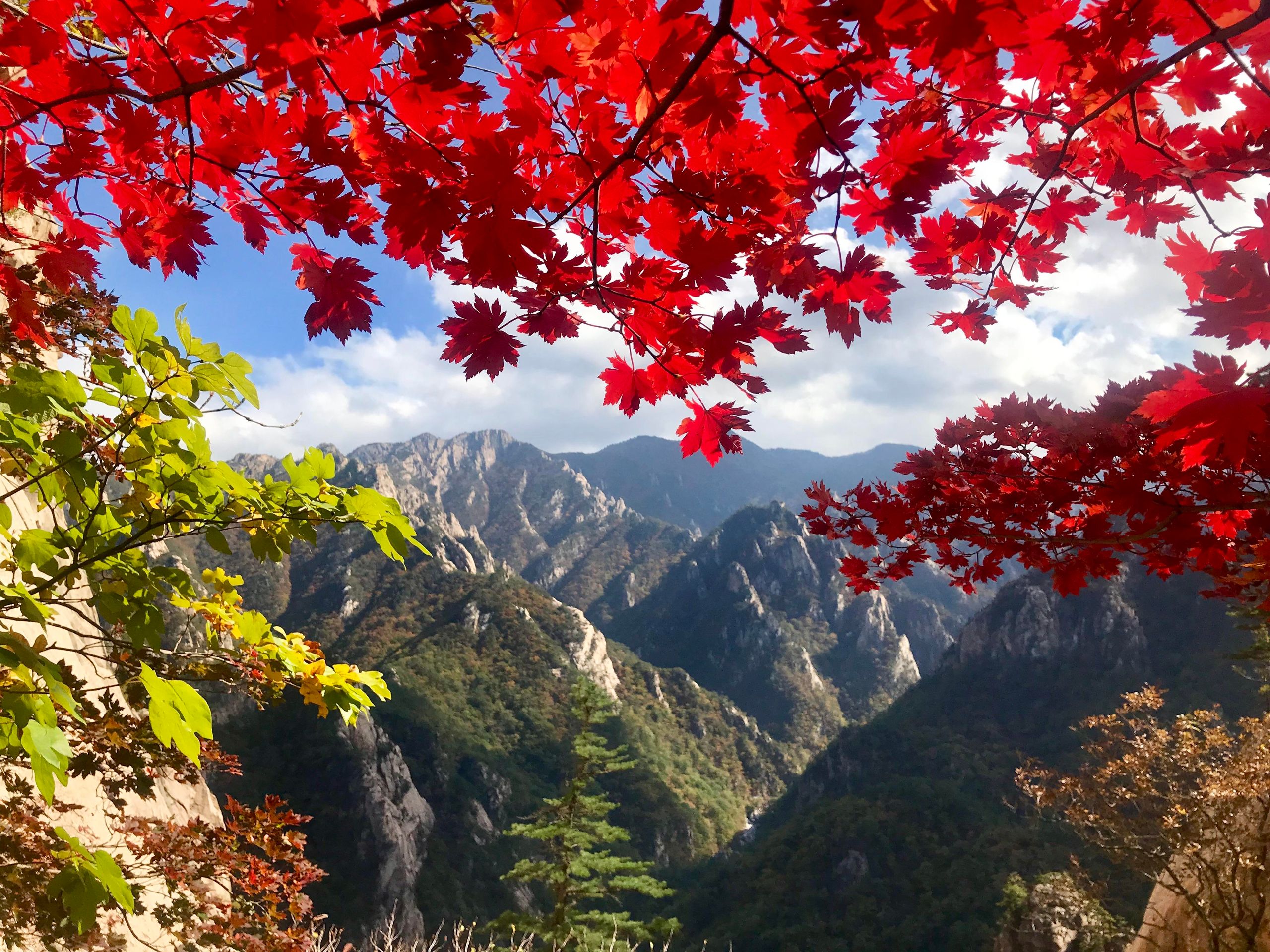
Autumn is widely considered the best time to visit Korea. The oppressive summer humidity vanishes, replaced by cool, dry air and brilliant blue skies. This is the season when Korea's mountains explode in color—crimson, gold, amber, and burnt orange blanketing the peaks.
Koreans take autumn seriously. 단풍 (danpung, fall foliage) viewing is a national pastime, with families planning weekend trips to famous mountain parks. Popular spots become crowded on weekends, but the scenery is worth it.
Best Places to Visit in Autumn
1. Seoraksan National Park (설악산 국립공원) – Autumn's Crown Jewel
Seoraksan, located in Gangwon Province, is Korea's most famous mountain for fall foliage. The park's rugged peaks, Buddhist temples, and hiking trails offer some of the most spectacular autumn views in the country.
📍 Seoraksan National Park (설악산 국립공원)
Location: Sokcho-si, Gangwon-do
Peak Foliage: Mid to late October
Entry Fee: USD $3 (KRW ₩4,000) per adult
Best Hike: Ulsanbawi Rock Trail (moderate, 4–5 hours round trip)
📍 View on Google MapsWhere to Stay:
2. Nami Island (남이섬) – Romantic Autumn Retreat
Made famous by the Korean drama "Winter Sonata," Nami Island is a half-moon shaped island covered in ginkgo and maple trees. Autumn transforms the island into a golden wonderland, perfect for leisurely walks, bike rides, and couples' photos.
📍 Nami Island (남이섬)
Location: Chuncheon, Gangwon-do
Peak Foliage: Late October to early November
Entry Fee: USD $12 (KRW ₩16,000) includes ferry
Travel Time from Seoul: 1.5 hours by shuttle bus or train + ferry
📍 View on Google Maps3. Seoul Palaces – Urban Autumn Beauty
You don't need to leave Seoul to enjoy autumn. The city's five grand palaces—Gyeongbokgung (경복궁), Changdeokgung (창덕궁), and Deoksugung (덕수궁)—are framed by ginkgo trees that turn brilliant yellow in November.
What to Pack for Autumn
- Layered clothing: Mornings are cool (10°C), afternoons warm up to 20°C.
- Light jacket or cardigan: Essential for evenings.
- Camera: You'll want to capture the foliage.
- Comfortable hiking boots: If visiting mountain parks.
- Sunglasses: Bright, clear skies can be intense.
Joshua's Real Story: Understanding Why Koreans Love Autumn
My Australian friends often asked, "Why do Koreans obsess over fall leaves? We have autumn too."
But Australian autumn is gradual, muted—trees slowly fade from green to brown. Korea's autumn is dramatic, almost theatrical. One week the mountains are green. The next week, they're on fire with color.
I hiked Seoraksan in late October, and I finally understood. The trail was packed with Korean families, elderly couples with walking sticks, young hikers blasting K-pop from portable speakers. Everyone stopped at the same viewpoints, took the same photos, ate the same instant ramyeon at mountain huts.
It wasn't just about the leaves. It was about shared experience, seasonal ritual, fleeting beauty. Autumn only lasts six weeks. You have to see it now, or wait another year.
❄️ Winter in Korea (December – February): Snow, Skiing & Freezing Temperatures

Weather Overview
Average Temperature: -10°C – 5°C (14°F – 41°F)
Rainfall: Low (mostly dry, with occasional snow)
Humidity: Low (30–50%)
Sunshine: Variable, with clear cold days
Winter in Korea is not for casual tourists. This is serious, bone-chilling cold—the kind that makes your face hurt after five minutes outside. Seoul's winter temperatures regularly drop to -10°C to -15°C (5°F to 14°F), with wind chill making it feel even colder.
But if you come prepared, winter offers unique experiences: world-class ski resorts, stunning snowy landscapes, hot springs, and festive Christmas markets.
Best Places to Visit in Winter
1. Pyeongchang Ski Resorts (평창 스키 리조트) – Olympic-Level Slopes
Pyeongchang hosted the 2018 Winter Olympics, and its ski resorts remain among Asia's best. Yongpyong Resort (용평리조트) and Alpensia Resort (알펜시아 리조트) offer slopes for all skill levels, plus cozy lodges, hot springs, and stunning mountain views.
📍 Yongpyong Ski Resort (용평리조트)
Location: Pyeongchang, Gangwon-do
Season: December to early March
Lift Pass (1 Day): USD $60–$80 (KRW ₩81,000–₩108,000)
Ski Rental: USD $30–$50 (KRW ₩40,500–₩67,500) per day
📍 View on Google MapsWhere to Stay:
2. Daegwallyeong Snow Festival (대관령 눈꽃축제) – Winter Wonderland
Held every January in Pyeongchang, this festival features massive snow sculptures, snow sledding, ice fishing, and traditional winter games. It's family-friendly and offers a true taste of Korean winter culture.
📍 Daegwallyeong Snow Festival (대관령 눈꽃축제)
Location: Daegwallyeong, Pyeongchang, Gangwon-do
Festival Dates: Mid-January to late February
Entry Fee: Free for outdoor areas; paid tickets for certain activities
📍 View on Google Maps3. Seoul Winter Cafes & Christmas Markets
Seoul's winter charm lies in its cozy cafes, Christmas lights, and festive markets. Visit Seoul Plaza Ice Skating Rink in front of City Hall, explore Cheonggyecheon Stream's lantern displays, or warm up with steaming hotteok (sweet pancakes) and bungeoppang (fish-shaped pastries) from street vendors.
What to Pack for Winter
- Heavy winter coat: Insulated, windproof, and waterproof. This is not optional.
- Thermal underwear: Layers are essential.
- Wool socks, gloves, scarf, and beanie: Cover all exposed skin.
- Hand and feet warmers (핫팩, hotpack): Available at every convenience store for USD $1 (KRW ₩1,350) per pack. Locals use them religiously.
- Waterproof boots with good traction: Seoul's sidewalks can be icy.
- Moisturizer and lip balm: The air is dry and cold.
Joshua's Warning: Australians, Prepare for REAL Winter
I need to be blunt here. If you're from Australia, New Zealand, or any warm climate, Korean winter will shock you.
Sydney's "winter" meant wearing a light jacket in the evenings. Seoul's winter meant walking outside and feeling my eyelashes freeze. My first December back, I wore what I thought was warm clothing—a wool coat, jeans, regular socks. I lasted 10 minutes before retreating into a cafe, fingers numb and face burning from cold.
A Korean friend laughed at me. "Joshua, you're not in Sydney anymore. Buy thermal underwear. Buy proper gloves. And always carry hot packs."
She was right. Once I upgraded my winter gear, Seoul's winter became manageable—even beautiful. Snow-covered palace rooftops, steaming street food, the warmth of jjimjilbangs (Korean bathhouses)—it all made sense. But you have to come prepared.
Month-by-Month Korea Weather & Activity Guide
Comparison Table: Spring vs. Summer vs. Autumn vs. Winter
Joshua's Recommended Seasonal Itineraries
Spring (7 Days): Cherry Blossom Route
Day 1–2: Arrive in Seoul → Yeouido Cherry Blossoms → Gyeongbokgung Palace
Day 3–4: Take KTX train to Jinhae (3 hours) → Explore Gunhangje Festival
Day 5–6: Travel to Busan → Gamcheon Culture Village → Haeundae Beach
Day 7: Return to Seoul → Departure
Estimated Cost: USD $800–$1,200 (KRW ₩1,080,000–₩1,620,000) per person (flights not included)
Autumn (7 Days): Fall Foliage Tour
Day 1–2: Arrive in Seoul → Explore city palaces and Bukhansan hike
Day 3: Day trip to Nami Island (1.5 hours from Seoul)
Day 4–5: Travel to Seoraksan National Park → Hike Ulsanbawi Rock
Day 6: Visit Sokcho for fresh seafood and East Coast views
Day 7: Return to Seoul → Departure
Estimated Cost: USD $700–$1,000 (KRW ₩945,000–₩1,350,000) per person
Winter (5 Days): Ski & Snow Experience
Day 1: Arrive in Seoul → Evening at Myeongdong Christmas Market
Day 2–4: Travel to Pyeongchang → Ski at Yongpyong or Alpensia Resort
Day 5: Return to Seoul → Spa/Jjimjilbang → Departure
Estimated Cost: USD $600–$1,200 (KRW ₩810,000–₩1,620,000) per person (including lift passes and rentals)
Practical Packing Guide by Season
Spring Essentials
- Light jacket
- Long pants and short-sleeve shirts
- Face mask (for yellow dust)
- Allergy medication
- Compact umbrella
- Sunglasses
Summer Essentials
- Breathable, quick-dry clothing
- Sunscreen SPF 50+
- Umbrella (for rain and sun)
- Portable fan
- Waterproof bag
- Insect repellent
Autumn Essentials
- Layered clothing (jacket, sweater, long sleeves)
- Comfortable hiking shoes
- Camera
- Light scarf
- Sunglasses
Winter Essentials
- Heavy winter coat
- Thermal underwear
- Wool socks, gloves, scarf, beanie
- Hand warmers (hotpacks)
- Waterproof boots with traction
- Moisturizer and lip balm
Traveler's FAQ
Q1: When is the cheapest time to visit Korea?
A: Winter (January–February) and mid-summer (July) offer the lowest hotel and flight prices. However, you'll face extreme weather conditions. For a balance of affordability and comfort, consider late November or early March—shoulder seasons with fewer tourists and moderate prices.
Q2: Can I see both cherry blossoms and fall foliage in one trip?
A: Unfortunately, no. Cherry blossoms bloom in late March to early April, while fall foliage peaks in October to early November. You'll need to choose one or plan two separate trips.
Q3: Is Korea crowded during cherry blossom season?
A: Yes. Major cherry blossom spots like Jinhae and Yeouido become extremely crowded on weekends. If possible, visit on weekdays or arrive early in the morning (7:00–8:00 AM) to avoid the worst crowds.
Q4: Do I need to speak Korean to travel during different seasons?
A: No, but a few basic phrases help. Major tourist areas have English signage. Download Papago (translation app) and Naver Map (better than Google Maps in Korea). For weather updates, use 미세미세 (Misemise) app for air quality and yellow dust alerts.
Q5: What's the best season for first-time visitors?
A: Autumn (late September to early November). The weather is mild, the scenery is stunning, and you can experience Seoul's city culture, mountain hiking, and traditional markets all in one trip. Spring is also excellent, but the cherry blossom window is narrow.
Reader Interaction
Have you experienced Korea's dramatic seasonal changes? Which season surprised you the most—or which one are you most excited to visit? Share your thoughts or questions in the comments below. I'd love to hear about your experiences or help you plan your perfect seasonal trip!
Legal Disclosure & Transparency
Image Sources: All images used in this article are sourced from copyright-free platforms (Pexels, Unsplash, Wikimedia Commons, Flickr Creative Commons) or licensed for educational use under Fair Use guidelines. No commercial endorsement is implied. All rights belong to original photographers. For removal requests, please contact the author (Joshua) directly.
Affiliate Disclosure: This blog post contains affiliate links to booking platforms (Agoda). If you make a purchase through these links, KR Snap may earn a small commission at no additional cost to you. All opinions and recommendations are based on personal experience and remain unbiased.
No Sponsored Content: The destinations and regions featured in this article were visited independently. No compensation or free services were received in exchange for coverage.
Explore More on KR Snap
Planning your Korea trip? Check out our Travel Tips section for guides on navigating Seoul's subway, essential apps, and cultural etiquette.
Looking for seasonal food experiences? Explore our K-Food category for street food guides, traditional market tours, and restaurant recommendations.
Want to explore Korea's hidden gems? Visit our Hot Spots section for neighborhood guides to Seongsu-dong, Ikseon-dong, and more.
Author Bio
Joshua is a Seoul-based writer who spent 15 years in Sydney, Australia. He writes about Korean food, travel, and culture through a practical cross-cultural lens for international readers.


Comments
Post a Comment
"Welcome to KR Snap! Feel free to ask any questions about South Korea or share your thoughts."