When most travelers think of Haeundae (해운대), they picture the iconic sandy beach and the bustling tourist zone packed with seafood restaurants advertising multilingual menus. But here's what I learned during my 15 years in Australia that applies perfectly to Busan: the best food is never where the tour buses stop.
After living in Sydney's beachside suburbs like Bondi and Manly, I can tell you that coastal tourist traps are universal. Just like how Sydneysiders avoid The Rocks' overpriced pubs, Busan locals have their own secret spots tucked away in Haeundae's quieter alleys—places where ajummas (Korean aunties) still hand-roll dumplings at dawn and where a bowl of soul-warming gukbap (국밥) costs less than a Sydney flat white.
This guide isn't about the Instagram-famous cafes lining Marine City. It's about authentic, wallet-friendly, utterly delicious spots where you'll be the only foreigner in the room—and that's exactly how you know you've found the real Busan.
Why Haeundae's Hidden Food Scene is Worth Exploring
Haeundae isn't just Korea's most famous beach resort—it's a neighborhood with deep local roots. Beyond the glitzy high-rises and beach clubs, there's a thriving community of traditional markets, family-run eateries, and street food alleys that have been feeding locals for decades.
Here's the thing about Korean food culture that reminds me of Melbourne's laneway cafes: the best places rarely advertise. They don't need to. Word-of-mouth and loyal regulars keep them alive. In Australia, I learned to trust the spots where tradies lined up for lunch. In Haeundae, follow the office workers queuing at noon and the grandmothers shopping at dawn.
1. Haeundae Traditional Market (해운대전통시장): The Soul of Local Flavor

If you want to eat like a Haeundae local, start here. Haeundae Traditional Market (해운대전통시장) is where generations of Busan families have shopped for fresh produce, seafood, and ready-to-eat comfort food since the 1960s.
Unlike the sterile air-conditioned supermarkets in Sydney, this market is raw, vibrant, and utterly alive. The narrow aisles are lined with ajummas grilling fish cakes (어묵, eomuk), vendors hand-pulling noodles, and stalls piled high with seasonal banchan (side dishes). The smell of soy sauce, sesame oil, and charcoal smoke hangs in the air—a sensory overload in the best way possible.
What to Eat:
Nohong Mandu (노홍만두): Steamed dumplings bursting with pork, kimchi, and glass noodles. Watching the vendors wrap hundreds of dumplings by hand is hypnotic. These aren't your frozen supermarket dumplings—they're plump, juicy, and served piping hot from bamboo steamers. Pair them with a small cup of makgeolli (막걸리), Korea's milky rice wine, and you've got a perfect mid-morning snack.
Honey Hotteok (꿀호떡): Korean sweet pancakes filled with brown sugar, cinnamon, and crushed peanuts. The exterior is crispy and golden, while the inside oozes with molten sweetness. In winter, this is the ultimate street food comfort—like a cross between an Australian lamington and a churro, but somehow better.
Fresh Fish Cakes (어묵): Forget the processed stuff. Haeundae Market's fish cakes are made fresh daily from local seafood. The texture is bouncy, the flavor delicate, and the warm broth they come with is pure umami.
📍
Haeundae Traditional Market Location:Address: 14 Gunam-ro 23beon-gil, Haeundae-gu, Busan (부산광역시 해운대구 구남로23번길 14)
Hours: Daily 7:00 AM – 9:00 PM (individual stalls vary)
View on Google Maps
2. Dwaeji Gukbap (돼지국밥): Busan's Breakfast of Champions
If there's one dish that defines Busan, it's dwaeji gukbap (돼지국밥)—a milky pork bone soup served with rice, shredded pork, and a side of salted shrimp paste for seasoning.
This is Busan's answer to Sydney's café breakfast culture, except instead of smashed avo on sourdough, locals slurp down a steaming bowl of this hearty soup before work. It's rich, deeply savory, and surprisingly light despite being made from hours of boiling pork bones.
Joshua's Real Story: The Gukbap Revelation
When I first returned to Korea after years in Melbourne, I was skeptical. How could a bowl of pork soup compete with a proper Aussie brekkie? Then I tried my first gukbap at a tiny spot near Haeundae Station at 7 AM. The restaurant was packed with taxi drivers, construction workers, and elderly locals—not a tourist in sight. The soup arrived in a stone pot, still bubbling. The broth was cloudy and fragrant, the pork tender, the rice perfectly cooked.
I added a spoonful of salted shrimp (saeujeot, 새우젓), a pinch of chili powder, and chopped spring onions. One sip, and I understood: this wasn't just breakfast. It was soul food—the kind that warms you from the inside and makes you understand why Koreans have been eating this for centuries.
In Sydney, I'd pay $25 AUD for a trendy brunch. In Haeundae, a bowl of gukbap costs around ₩8,000–₩10,000 (about $6–$8 USD).
Where to Find the Best Gukbap:
Haeundae Wonjo Halmae Gukbap (해운대원조할매국밥) is a legendary spot frequented by locals. The sign outside is faded, the interior no-frills, but the gukbap is transcendent. Open early morning, expect to share tables with regulars who've been coming here for decades.
📍
Haeundae Wonjo Halmae Gukbap:Search for: "해운대원조할매국밥" or "Haeundae pork soup restaurant near Haeundae Station"
Average price: ₩8,000–₩10,000
View on Google Maps
3. Mipo (미포): The Local's Seafood Haven
Source: Unsplash via Jakub Dziubak
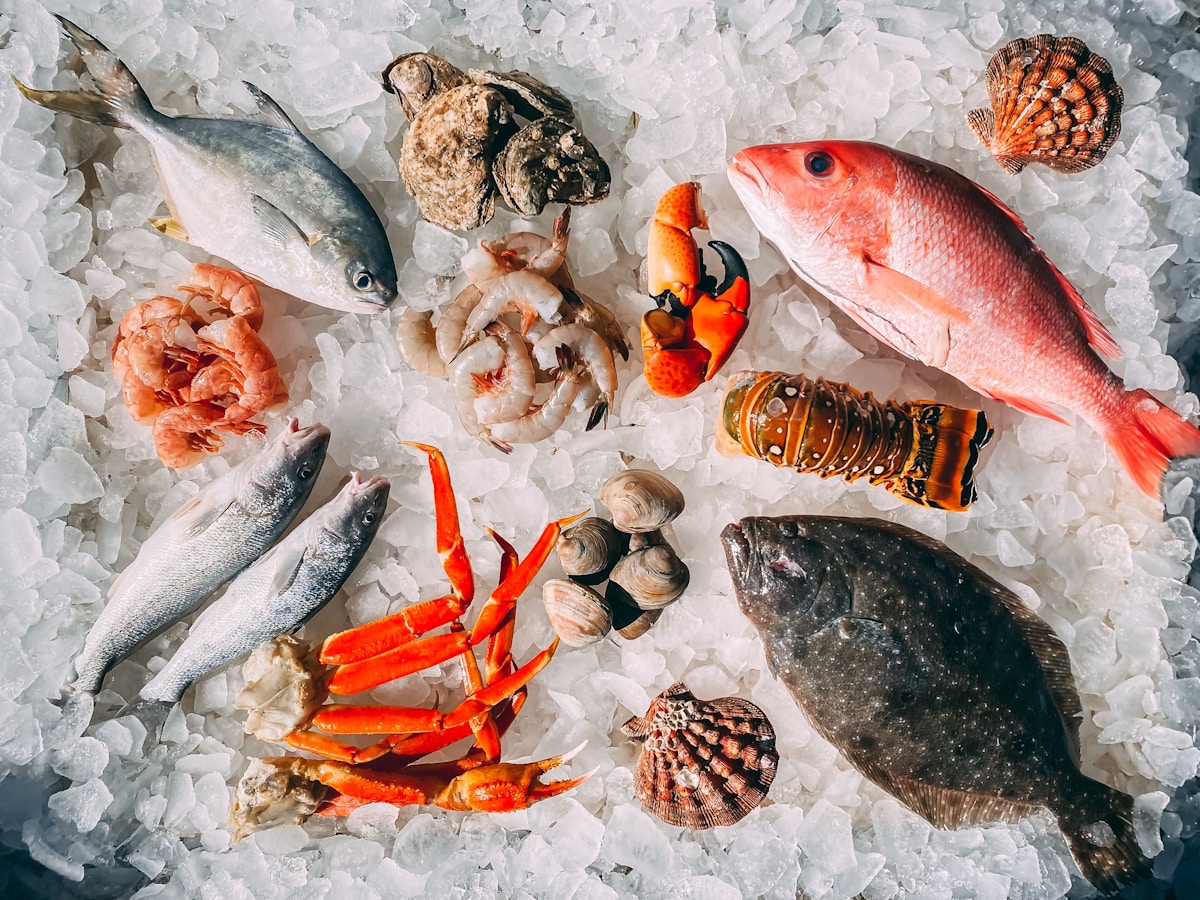
Just a 10-minute walk east from Haeundae Beach lies Mipo (미포), a quieter coastal neighborhood where locals come for fresh seafood without the tourist markup. The vibe here is laid-back—think wooden tables, plastic stools, and ocean views without the high-rise backdrop.
What Makes Mipo Special:
In Sydney, waterfront dining usually means $40 fish and chips. In Mipo, you can enjoy grilled clams, fresh sashimi, and spicy seafood stew (haemul jjigae, 해물찌개) at half the price of Haeundae's beachfront restaurants.
Dasot Restaurant (다솥맛집) is a local favorite specializing in traditional Korean set meals (hanjeongsik, 한정식). The portions are generous, the banchan endless, and the seafood is sourced from Busan's fish markets daily.
Survival Tip: Ordering Without Korean
Here's where that Papago app becomes your best friend. Take a photo of the menu, translate it, and show the staff what you want. Most older establishments don't have English menus, but they're incredibly welcoming once you make the effort.
Also, remember: in Korea, especially in traditional restaurants, tap water is free. Look for the water dispenser (usually near the entrance) or ask for "mul juseyo" (물 주세요).
📍
Mipo Neighborhood:Address: Mipo-dong, Haeundae-gu, Busan (미포동, 해운대구)
How to get there: Walk east from Haeundae Beach or take Busan Metro Line 2 to Jangsan Station
View on Google Maps
4. Kalguksu (칼국수) Alleys: Hand-Cut Noodle Heaven
One of my favorite discoveries in Haeundae is the kalguksu (칼국수) culture—hand-cut wheat noodles served in anchovy or seafood broth. It's simple, comforting, and ridiculously affordable.
Haeundae 31cm Haemul Kalguksu (해운대31cm해물칼국수) is a small, unassuming restaurant where the noodles are rolled and sliced fresh every morning. The broth is light yet flavorful, studded with clams, mussels, and zucchini. A bowl costs around ₩7,000–₩9,000, and it's enough to fill you up for hours.
The Perfect Pairing:
Koreans love to pair kalguksu with kimchi bibimbap (김치비빔밥) or bindaetteok (빈대떡, mung bean pancakes). The crispy pancakes dipped in soy-vinegar sauce are the perfect textural contrast to the silky noodles.
Joshua's Survival Guide: Navigating Haeundae Like a Local
After years in Sydney's multicultural food scene, I've learned that the best meals come from understanding local customs. Here are my insider tips for eating in Haeundae:
1. The Receipt Secret (영수증의 비밀)
In older neighborhoods around Haeundae, many restaurants have locked bathroom doors. The door code? Check the bottom of your receipt. This is standard practice in Korea to keep bathrooms exclusive to paying customers.
2. Kiosk Ordering (키오스크 주문법)
More Korean restaurants are switching to self-service kiosks. If there's no English option, use Papago's camera translation feature or ask staff for help. Don't be shy—most workers are patient and helpful.
3. Cash vs. Card
Haeundae is increasingly cashless, especially in modern cafes and chain restaurants. However, traditional markets and older eateries may prefer cash. Keep some ₩10,000 notes handy.
4. Trash Etiquette
You won't find many public trash bins in Korea. Save your wrappers and dispose of them at subway stations or convenience stores. This was shocking coming from Sydney, where bins are everywhere, but it's a cultural norm rooted in cleanliness and security.
Beyond the Beach: Why Haeundae's Local Food Matters
In my years living abroad, I've noticed a pattern: the most memorable meals aren't in Michelin-starred restaurants or Instagram-famous cafes. They're in the neighborhood joints where regulars greet the owner by name, where recipes haven't changed in 50 years, and where the walls are covered in faded photos and handwritten menus.
Haeundae's hidden food scene is exactly that. It's a window into Busan's soul—a city that balances modernity with deep respect for tradition. When you sit down at a market stall and watch an ajumma hand-roll dumplings the same way her mother taught her, or when you slurp gukbap alongside taxi drivers at dawn, you're not just eating. You're connecting with a culture that values jeong (정)—that untranslatable Korean concept of warmth, affection, and shared humanity.
Final Thoughts: Eat Slowly, Explore Deeply
Haeundae is more than its famous beach. It's a neighborhood where ancient fish markets coexist with luxury hotels, where street food vendors serve recipes passed down through generations, and where every alley holds a culinary surprise.
My advice? Skip the overpriced beachfront restaurants. Put away your phone. Walk the side streets. Follow the smell of sizzling fish cakes and simmering broths. Sit elbow-to-elbow with locals. Order dishes you can't pronounce. Make mistakes. Laugh with the staff. Eat slowly.
Because the best food in Haeundae—and maybe in all of Korea—isn't on TripAdvisor. It's waiting in those hidden corners, ready to feed your stomach and warm your heart.
Frequently Asked Questions (FAQ)
Q1: Is Haeundae Traditional Market open every day? Yes, Haeundae Traditional Market is open daily from approximately 7:00 AM to 9:00 PM, though individual stall hours may vary. Mornings are the best time to experience the market's vibrant energy.
Q2: How much should I budget for a meal at local Haeundae restaurants? Budget-friendly local meals range from ₩7,000–₩12,000 ($5–$9 USD) per person. Market snacks and street food can be as cheap as ₩2,000–₩5,000.
Q3: Do I need to speak Korean to eat at these hidden spots? Not necessarily, but basic phrases help. Use the Papago translation app for menus, and don't hesitate to point at dishes or show photos. Locals appreciate the effort.
Q4: What's the best time to visit Haeundae for food? Early mornings (7–9 AM) for gukbap and market freshness, or late evenings (7–9 PM) for street food and casual seafood dining. Avoid peak lunch hours (12–1 PM) if you want to avoid crowds.
Q5: Are these restaurants vegetarian or halal-friendly? Traditional Korean cuisine is heavily meat and seafood-based. However, some dishes like kalguksu can be made vegetarian upon request. Halal options are limited; check apps like "Muslim Pro" for certified restaurants.


Comments
Post a Comment
"Welcome to KR Snap! Feel free to ask any questions about South Korea or share your thoughts."