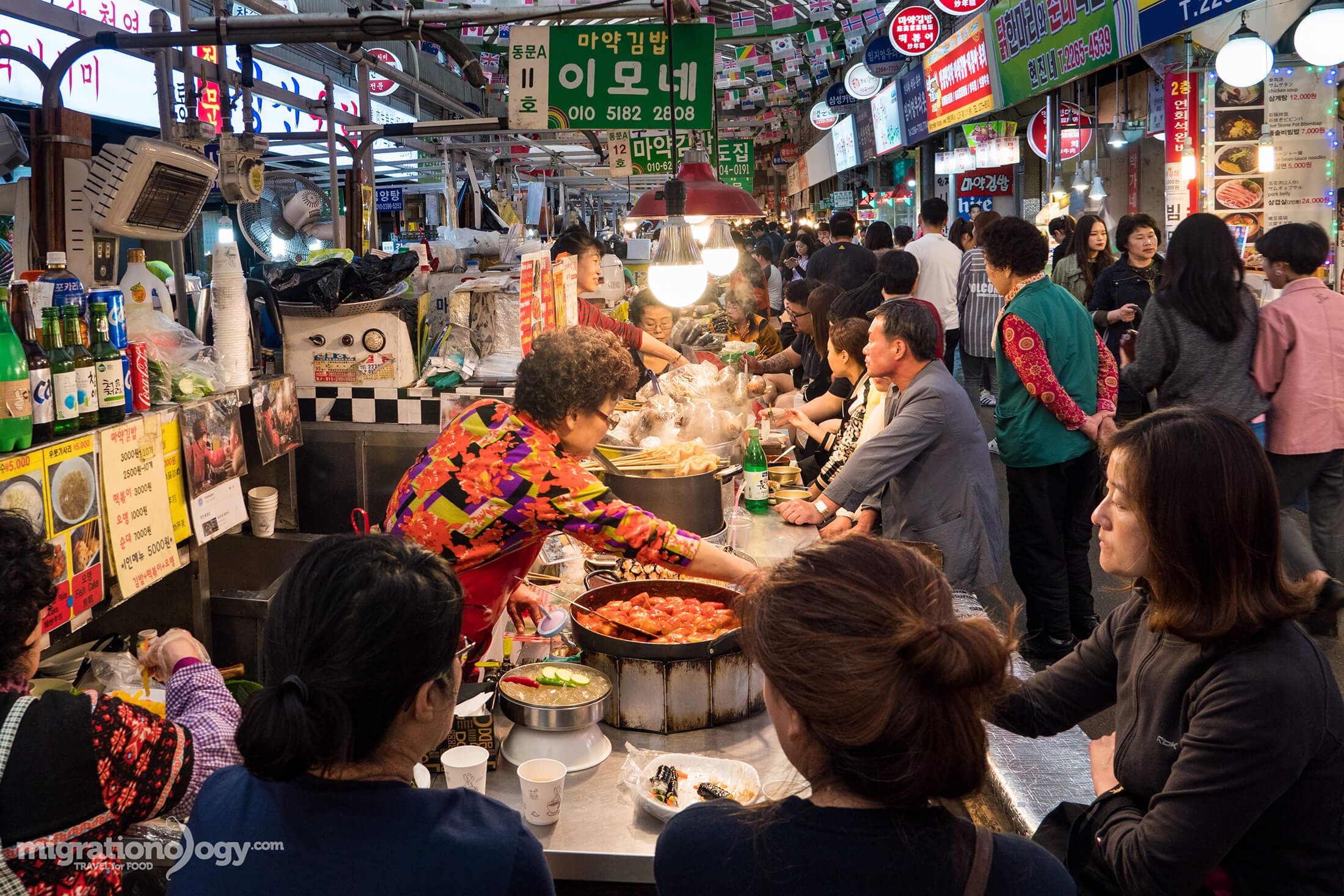
If you've ever dreamed of diving into Korea's authentic food culture, Gwangjang Market (광장시장) is where that dream comes to life. Located in the heart of Seoul, this 100-year-old traditional market is a sensory explosion of sizzling pancakes, steaming bowls of noodles, and the irresistible aroma of Korean street food at its finest.
During my 15 years living in Sydney, I missed Korean food so much that I'd make Korean pancakes at home—but they never tasted quite right. When I finally returned to Seoul and stepped into Gwangjang Market, the first bite of crispy bindaetteok (mung bean pancake) reminded me why nothing beats the real deal. This isn't just a market; it's a living, breathing museum of Korean culinary heritage.
What Makes Gwangjang Market Special?
Gwangjang Market is South Korea's oldest traditional market, established in 1905. Unlike modern food courts or trendy restaurants, this market has preserved its authentic, no-frills charm for over a century. Here, you won't find fancy plating or Instagram-perfect presentations—just honest, delicious Korean food served by ajummas (Korean aunties) who've been perfecting their recipes for decades.
Why Foreign Tourists Love It:Authentic Experience: This is where locals actually eat, not a tourist trap
Affordable Prices: Most dishes range from ₩3,000–₩15,000 ($2–$11 USD)
Variety: Over 100 food stalls offering everything from pancakes to raw beef
Cultural Immersion: Experience Korean dining culture firsthand (communal seating, shared tables, soju culture)
One thing my Australian friends always comment on is how social and lively Korean markets are compared to Western food halls. In Sydney, people grab their food and leave. At Gwangjang, strangers share tables, vendors chat with customers, and there's a warm sense of community that's uniquely Korean—what we call "jeong" (정).
Top 5 Must-Try Foods at Gwangjang Market
1. Bindaetteok (빈대떡) – Mung Bean Pancakes
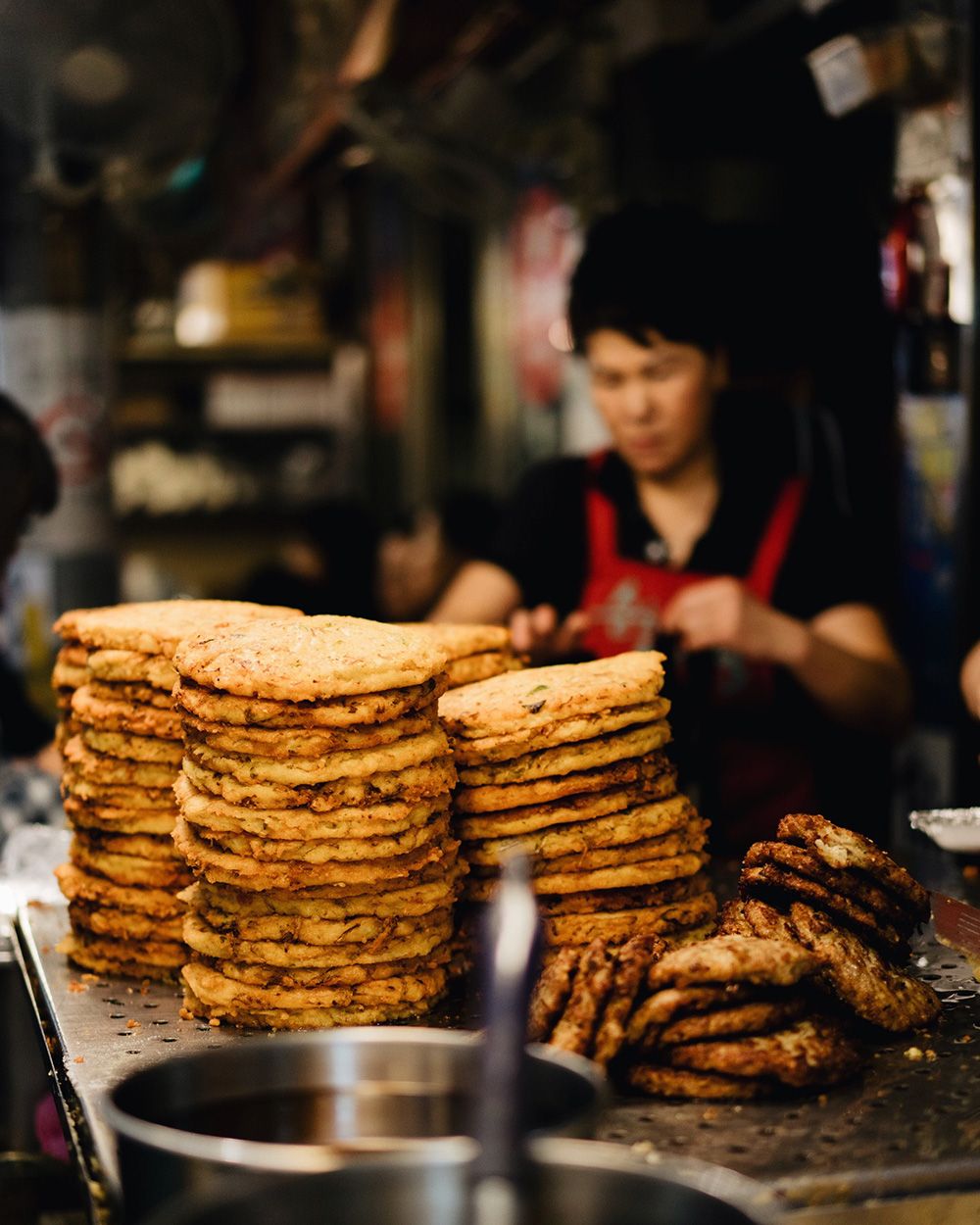
Source: Mina Park via SOOK
This is THE signature dish of Gwangjang Market. Bindaetteok is a savory pancake made from ground mung beans, kimchi, vegetables, and sometimes pork, fried to golden perfection on a massive hot griddle.
What It Tastes Like:
Imagine a crispy-edged, soft-centered pancake with a nutty, earthy flavor from the mung beans. The kimchi adds a spicy, tangy kick, while the vegetables provide texture. It's hearty, satisfying, and absolutely addictive—especially when dipped in the soy-vinegar sauce (chojang) that comes with it.
The Perfect Pairing:
Locals pair bindaetteok with makgeolli (Korean rice wine), a milky, slightly sweet alcoholic beverage. In Australia, we'd pair pancakes with maple syrup for breakfast, but in Korea, savory pancakes with alcohol is the ultimate comfort food combo—any time of day!
Price: ₩5,000–₩8,000 per serving
Pro Tip: Go to Soon Hee's Bindaetteok (순희네 빈대떡), one of the most famous stalls with long queues (a good sign!).
2. Mayak Gimbap (마약김밥) – "Drug" Kimbap
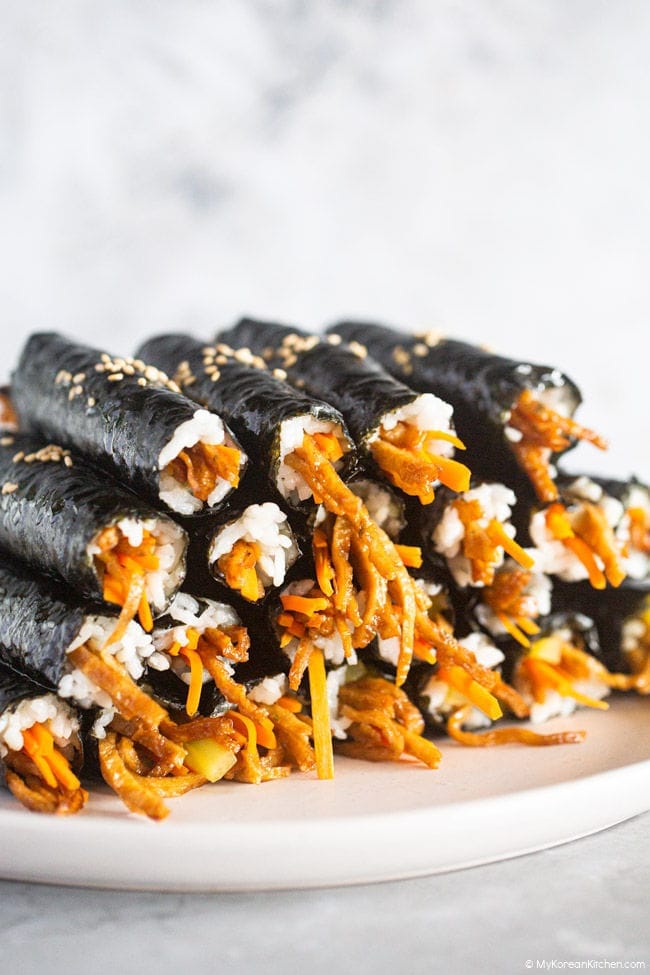
Source: My Korean Kitchen
Don't let the name scare you—"mayak" means "drug" in Korean, but it's called that because it's so addictive you can't stop eating it. These are mini kimbap (seaweed rice rolls) filled with pickled radish, carrots, sesame oil, and sometimes perilla leaves.
Why It's Addictive:
Unlike regular kimbap, mayak gimbap is bite-sized (about 1-inch thick), making it dangerously easy to pop one after another. The sesame oil-soaked rice is savory and fragrant, while the pickled radish adds a sweet-tangy crunch. It's simple, but the balance of flavors and textures is perfection.
The Sauce:
Each piece comes with a side of soy-sesame dipping sauce that amplifies the flavor. It's salty, nutty, and slightly sweet—trust me, you'll want extra sauce.
Price: ₩3,000–₩5,000 for 10–15 pieces
Pro Tip: Perfect as a snack while exploring the market. Grab a box to go and munch as you walk!
3. Yukhoe (육회) – Korean Raw Beef


Source: Daniel Food Diary
If you're adventurous, yukhoe is a must-try. This is Korea's version of beef tartare—thinly sliced raw beef seasoned with sesame oil, soy sauce, garlic, and topped with a raw egg yolk, sliced pear, and pine nuts.
Is It Safe?
Absolutely. Korean yukhoe uses the freshest cuts of beef (usually sirloin or tenderloin), and food safety standards are strict. I was hesitant the first time I tried it (coming from Australia where raw meat isn't common), but the quality is impeccable.
What It Tastes Like:
The beef is melt-in-your-mouth tender with a buttery texture. The sesame oil and soy sauce add umami richness, while the pear provides a refreshing sweetness that cuts through the richness. Mix everything together with the egg yolk for a silky, luxurious bite.
The Experience:
Eating yukhoe at Gwangjang feels like a rite of passage for foodies. It's one of those dishes that separates casual eaters from true culinary adventurers.
Price: ₩10,000–₩15,000
Recommended Stall: Buchon Yukhoe (부촌육회) or Brothers Raw Beef (형제육회)
4. Tteokbokki (떡볶이) & Twigim (튀김) – The Dynamic Duo
Tteokbokki is Korea's iconic spicy rice cake dish—chewy cylindrical rice cakes smothered in a sweet-spicy gochujang (red chili paste) sauce. At Gwangjang, it's often sold alongside twigim (assorted deep-fried vegetables and seafood).
The Perfect Pairing:
Here's the insider secret: Koreans dip their twigim directly into the tteokbokki sauce. The crispy, hot fritters soaking up the spicy-sweet sauce create an explosion of textures and flavors. Add a piece of eomuk (fish cake) on the side, and you've got the ultimate Korean street food combo.
Heat Level:
Gwangjang tteokbokki tends to be on the spicier side compared to what you'd find in fusion restaurants abroad. If you're sensitive to spice, ask for "an maewo-yo" (안 매워요 = not spicy), though I highly recommend embracing the heat!
Price: ₩3,000–₩5,000
Pro Tip: Share a portion with friends—it's more fun to experience different foods together.
5. Sundae (순대) – Korean Blood Sausage
Before you say "blood sausage sounds scary," hear me out. Korean sundae is nothing like British black pudding. It's made from pig intestines stuffed with glass noodles, barley, and vegetables, then steamed. The result? A soft, chewy texture with a mild, savory flavor.
How to Eat It:
Sundae is typically served sliced and accompanied by a mix of salt and pepper for dipping. Some stalls serve it with liver and lung slices (gopchang), which adds variety to the plate.
Why Locals Love It:
It's comfort food—simple, filling, and nostalgic. Many Koreans grew up eating sundae as an after-school snack. It's also a popular drinking snack (anju) paired with soju.
Price: ₩5,000–₩8,000
Note: If you're vegetarian, unfortunately sundae isn't an option, but there are veggie-friendly dishes like bibimbap and kimbap available at other stalls.
Vegetarian & Halal Options
While Gwangjang Market is meat and seafood-heavy, there are vegetarian-friendly choices:
Vegetarian Options:Bibimbap (비빔밥) – Mixed rice with vegetables (ask for no meat)
Gimbap – Vegetable kimbap rolls
Japchae (잡채) – Stir-fried glass noodles with vegetables
Halal Considerations:
Gwangjang Market is not halal-certified, and most stalls use pork or non-halal meat. However, seafood-based dishes (like fish cakes) and vegetarian options are available. Always ask vendors about ingredients if you have dietary restrictions.
Practical Information: How to Visit Gwangjang Market
📍 Location & Directions
Address:
88 Changgyeonggung-ro, Jongno-gu, Seoul, South Korea
서울특별시 종로구 창경궁로 88
Google Maps Link:
View Gwangjang Market on Google MapsHow to Get There:Subway: Take Line 1 to Jongno 5-ga Station (종로5가역), Exit 8. Walk 2 minutes.
Alternative: Euljiro 4-ga Station (을지로4가역), Line 2/5, Exit 4. Walk 5 minutes.
🕒 Opening HoursFood Section: 9:00 AM – 11:00 PM (most stalls operate 10:00 AM – 10:00 PM)
Fabric/Clothing Section: 9:00 AM – 7:00 PM
Closed: Most food stalls open daily; some close on Sundays (check specific stalls)
Best Time to Visit:Weekday afternoons (2:00–5:00 PM): Less crowded, easier to find seats
Friday/Saturday evenings (6:00–9:00 PM): Lively atmosphere, locals drinking soju and makgeolli (but very crowded)
💰 Budget & PaymentCash is King: Many stalls only accept cash (₩ KRW). Some accept cards, but don't rely on it.
Budget: ₩15,000–₩30,000 ($11–$22 USD) per person for a full meal with drinks
ATMs: Available inside the market and nearby convenience stores
🍽️ Dining Etiquette TipsCommunal Seating: Don't be surprised if you're seated next to strangers. It's normal and part of the experience!
Order Directly: Point to the food you want, and vendors will prepare it fresh.
Trash Bins: Dispose of your trash in designated bins. Vendors appreciate cleanliness.
Soju Culture: It's common to see locals drinking soju or makgeolli. You're welcome to join, but drink responsibly!
My Personal Gwangjang Market Experience
The first time I brought my Australian friends to Gwangjang Market, they were overwhelmed in the best way possible. Back in Sydney, multicultural food markets exist, but nothing compares to the raw energy and authenticity of Gwangjang. My friend Sarah, a vegetarian, was initially worried she'd have limited options—but after trying the vegetable gimbap and bibimbap, she admitted Korean veggie food is far more flavorful than the bland salads she was used to back home.
What struck me most was the generosity and warmth of the vendors. One ajumma noticed we were tourists and gave us extra bindaetteok "service" (freebies)—a small gesture that embodies Korean hospitality. In Australia, service is polite but transactional; in Korea, there's a genuine human connection, even in a bustling market.
Final Thoughts: Is Gwangjang Market Worth Visiting?
Absolutely, 100% YES. Gwangjang Market is more than just a food destination—it's a cultural experience that captures the heart and soul of Korean cuisine. Whether you're a fearless foodie ready to try raw beef or a cautious eater sticking to kimbap, there's something here for everyone.
Why You Shouldn't Miss It: ✅ Authentic Korean food at unbeatable prices
✅ Cultural immersion—eat like a local, not a tourist
✅ Instagram-worthy moments (those sizzling pancakes!)
✅ Central Seoul location—easy to combine with other sightseeing
So grab your appetite, bring cash, and dive into Seoul's best street food paradise. Your taste buds will thank you. 🇰🇷🍜
Legal Disclosure
This blog post contains recommendations based on personal experience and research. I have not received any compensation from the restaurants, brands, or businesses mentioned in this article. All opinions are my own.
As an Amazon Associate and affiliate marketer, I may earn a small commission from qualifying purchases made through links on this blog at no additional cost to you. This helps support the creation of free content. Thank you for your support!


Comments
Post a Comment
"Welcome to KR Snap! Feel free to ask any questions about South Korea or share your thoughts."